01
The Waterfall
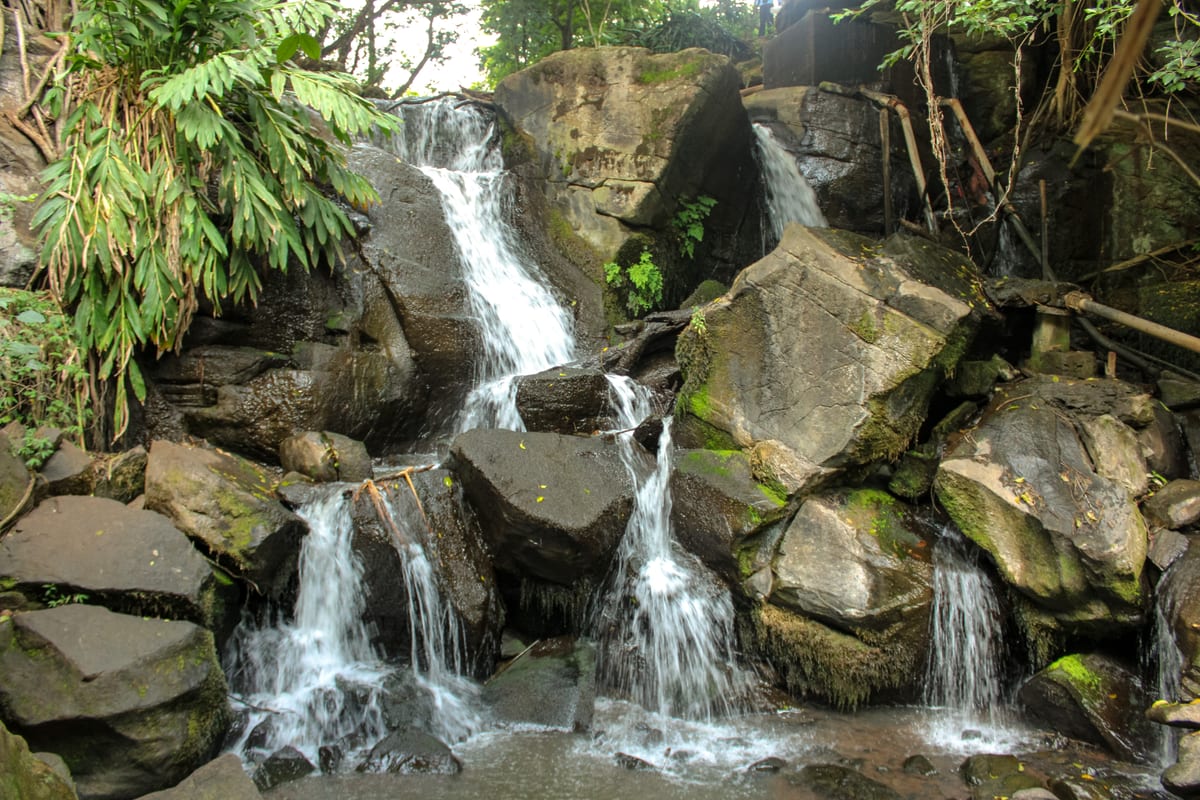
The trail drops into the valley to a waterfall tumbling over moss-covered boulders, the coolest and greenest corner of the forest.
Valley trail · Ferns and moss · Photo spot
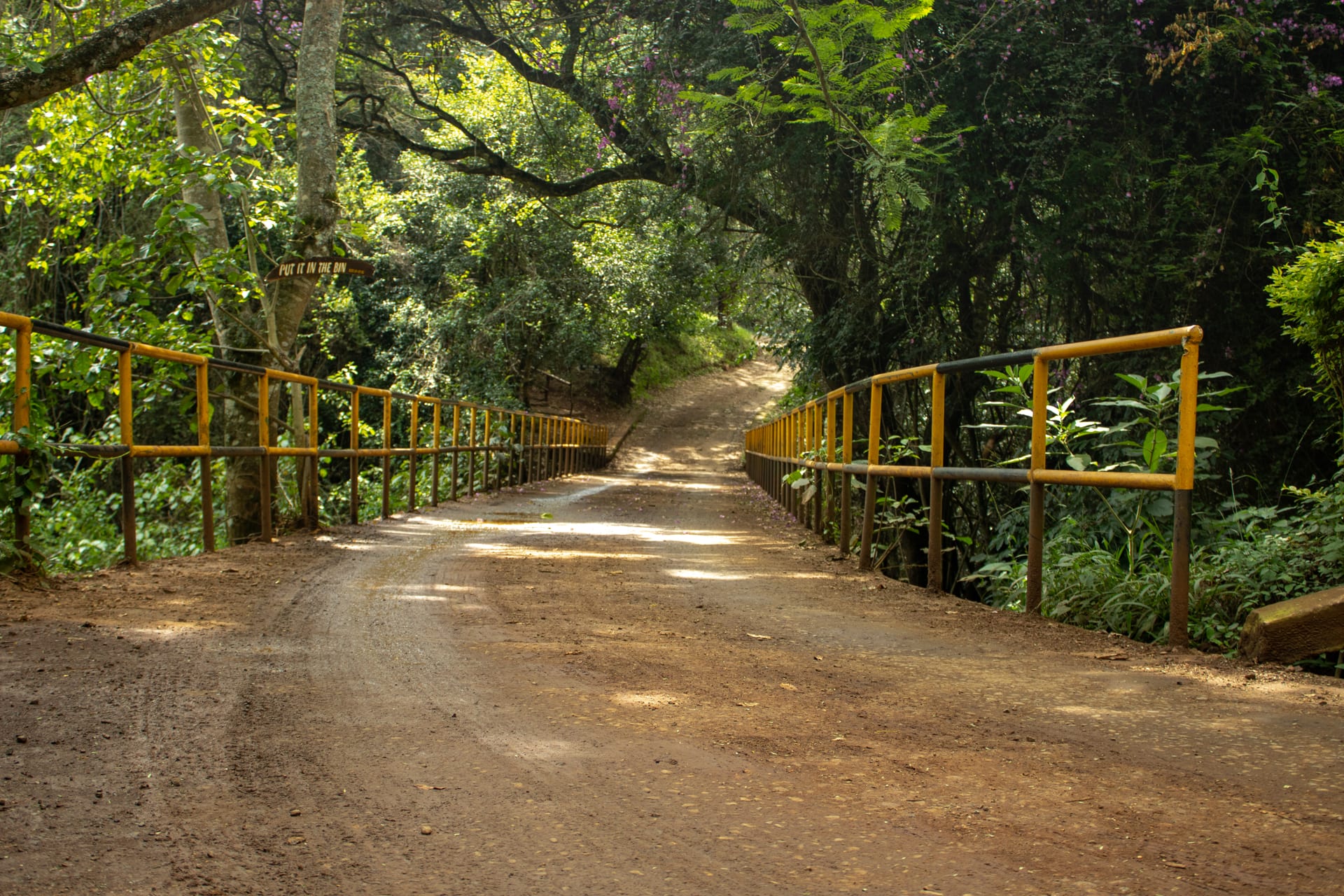
Two loops, 5 km and 10 km, link the forest's landmarks. Allow two to four hours for a walk.
The trail drops into the valley to a waterfall tumbling over moss-covered boulders, the coolest and greenest corner of the forest.
Valley trail · Ferns and moss · Photo spot
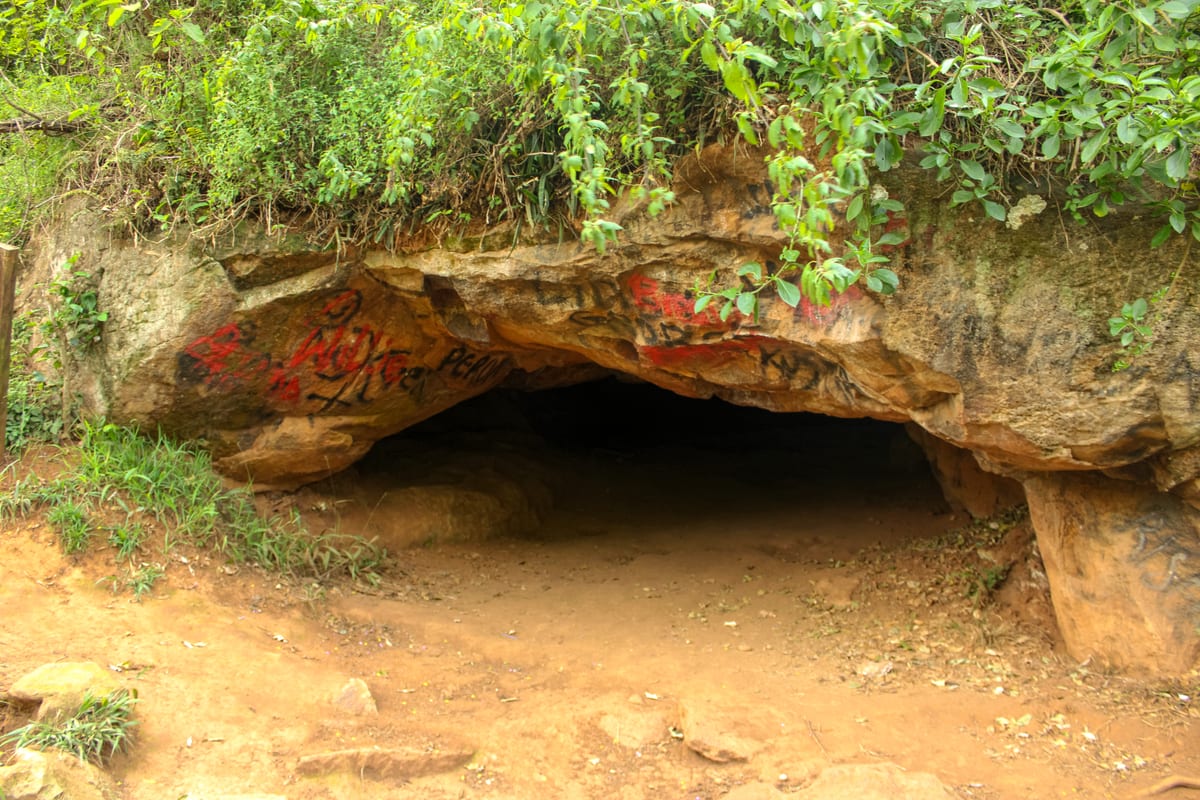
A 37-metre cave beneath a rock overhang, one of the hideouts used by Mau Mau fighters during the struggle for independence.
37 m cave · Colonial-era history · Guide recommended
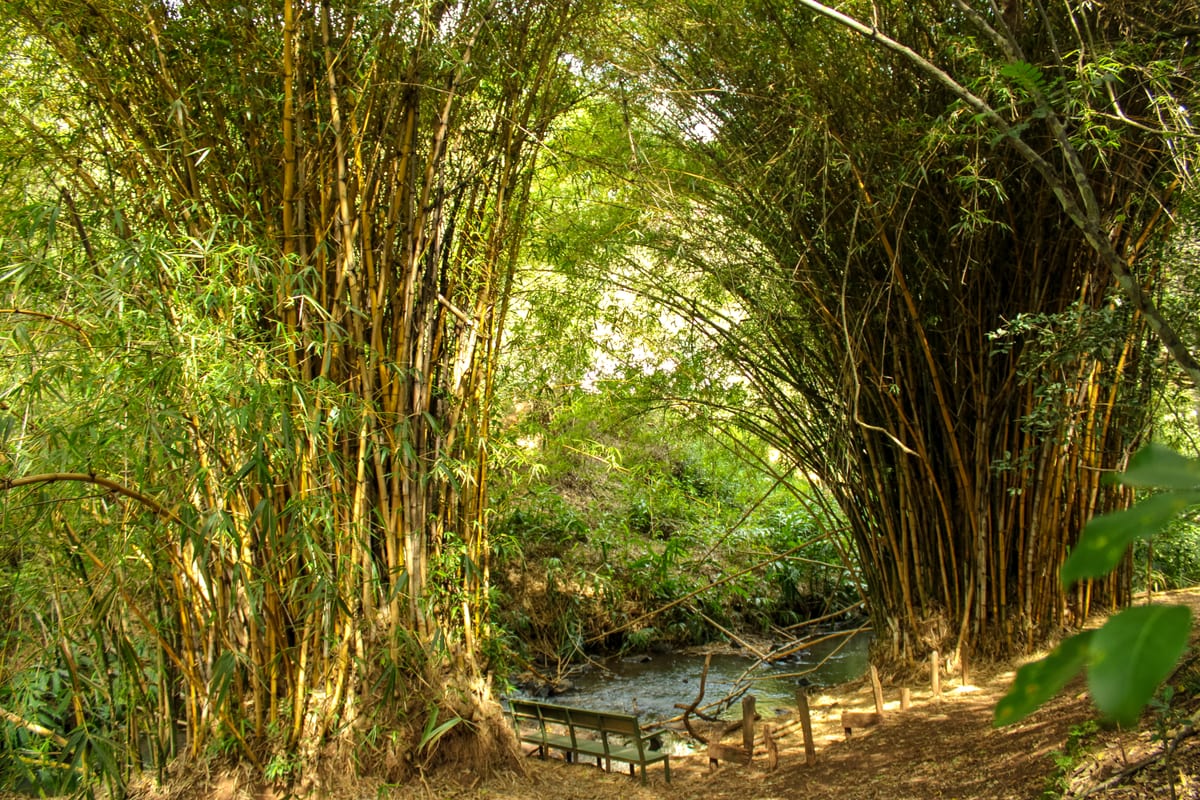
A grove where tall bamboo arches over the stream. Benches make it the natural halfway stop on the longer loop.
Rest point · Streamside · Shade
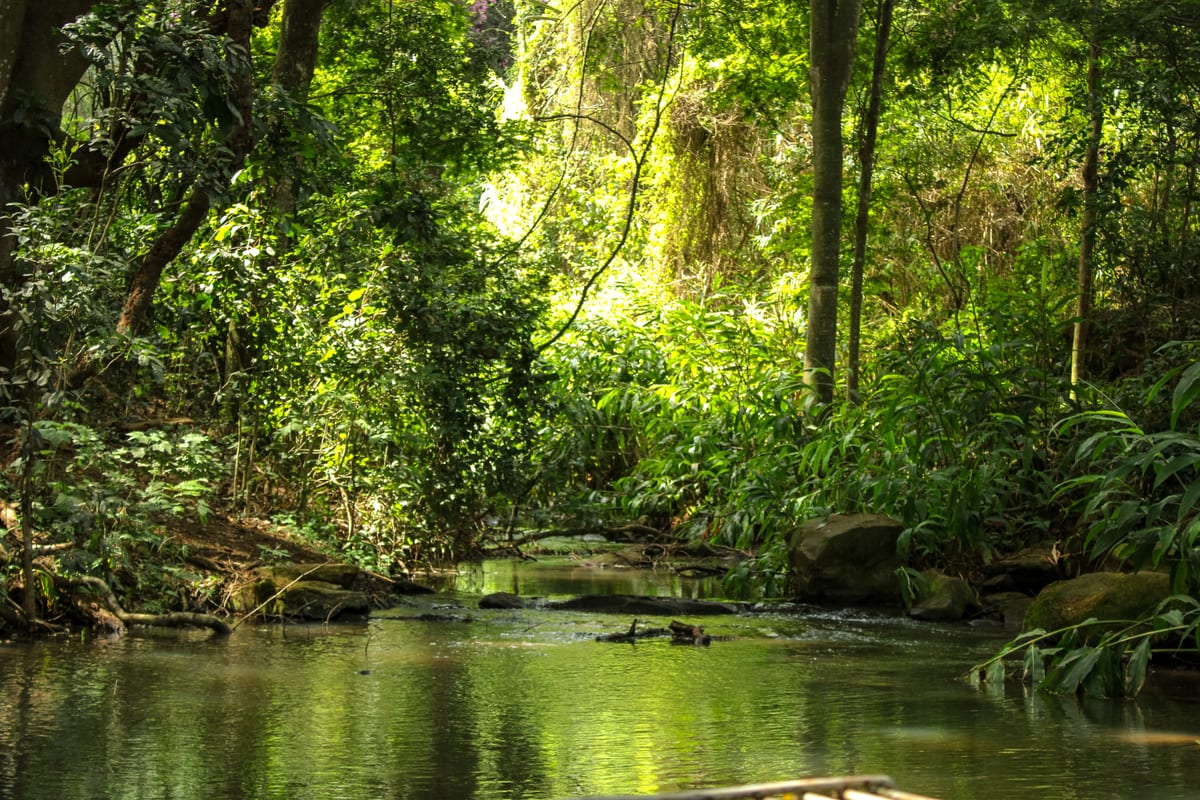
Quiet pools and a stepped weir along the stream that threads the forest. Dragonflies, kingfishers and, after rain, a proper rush of water.
Weir · Birding · Papyrus swamp nearby
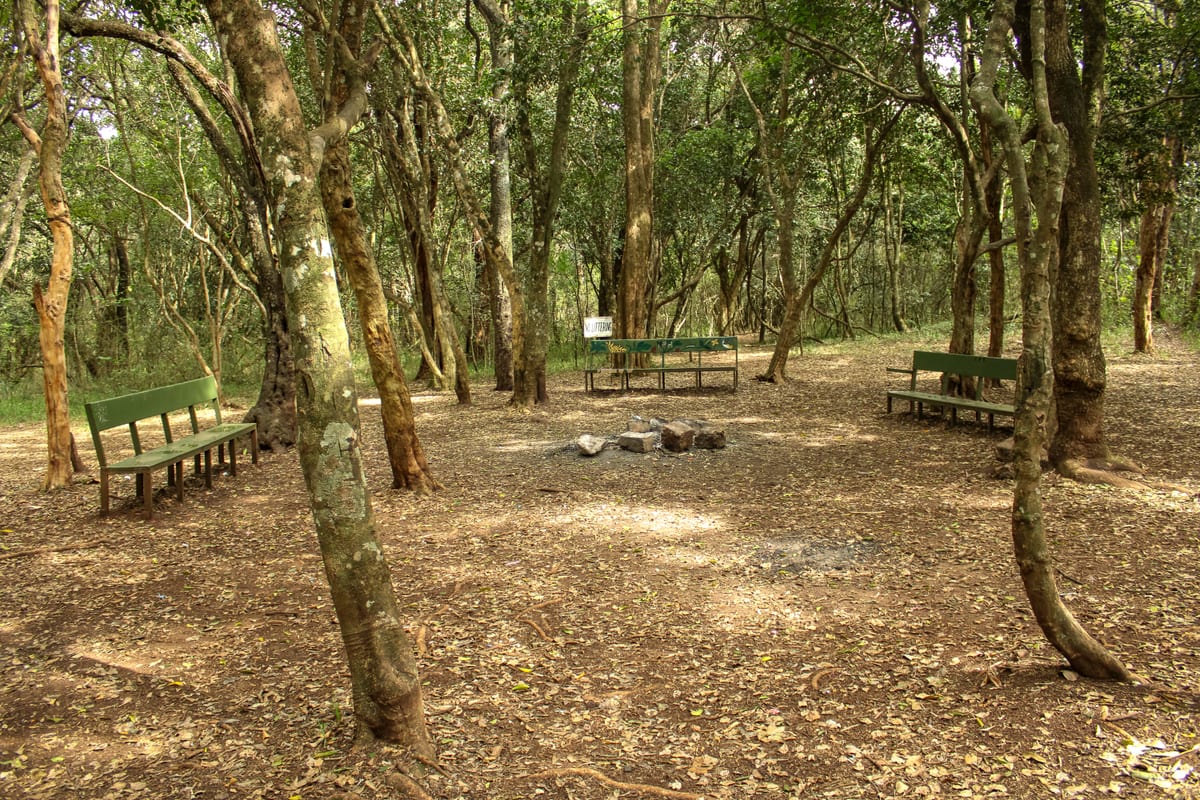
A clearing under mature trees with benches, a fire circle and space for tents. Overnight camping is booked on eCitizen.
Picnic benches · Fire circle · Overnight camping
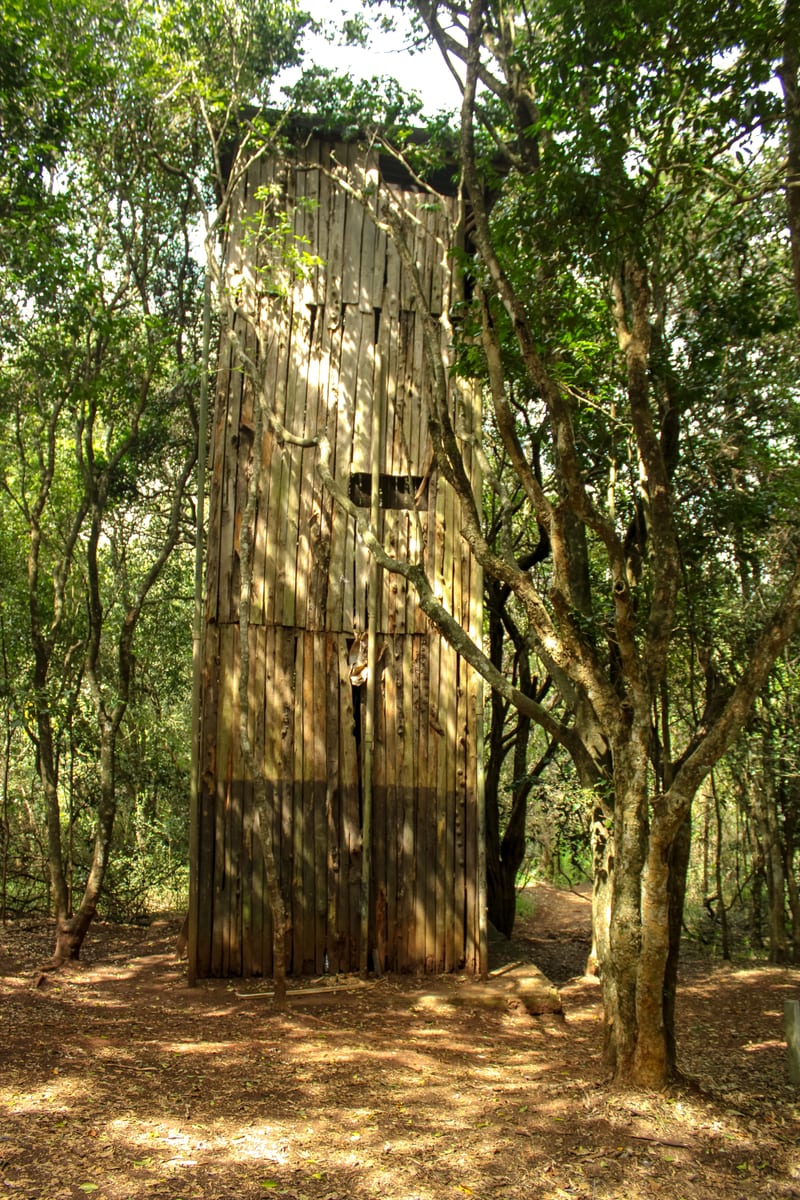
A timber hide built to study the forest's resident pair of Crowned Eagles, Africa's most powerful eagle. Climb up, keep still, and scan the canopy for the birds soaring and calling above it.
Crowned Eagles · Timber hide · Longer loop
Ready to walk it?
Plan Your WalkWalk, ride, watch birds, picnic or stay the night. All visits are booked on the KIPRE eCitizen portal.
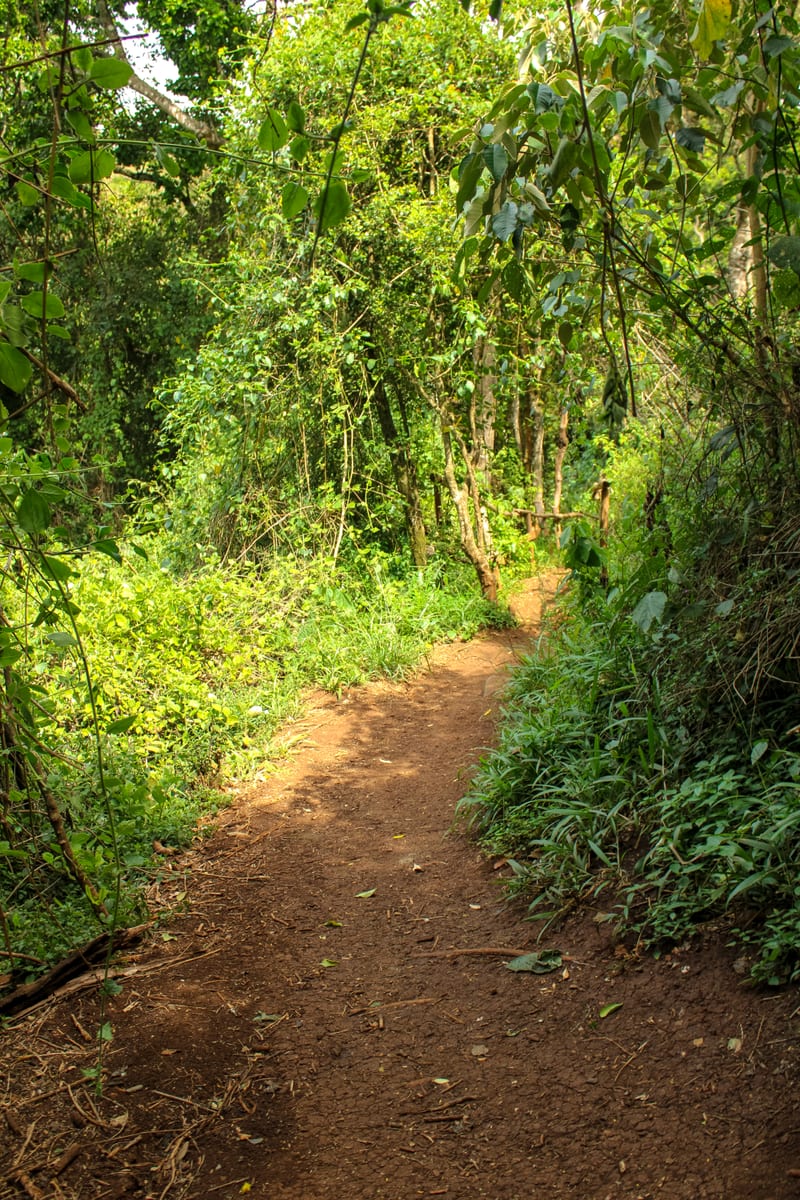
Follow the 5 km or 10 km loop through indigenous forest to the waterfall, the bamboo grove and the Mau Mau caves.
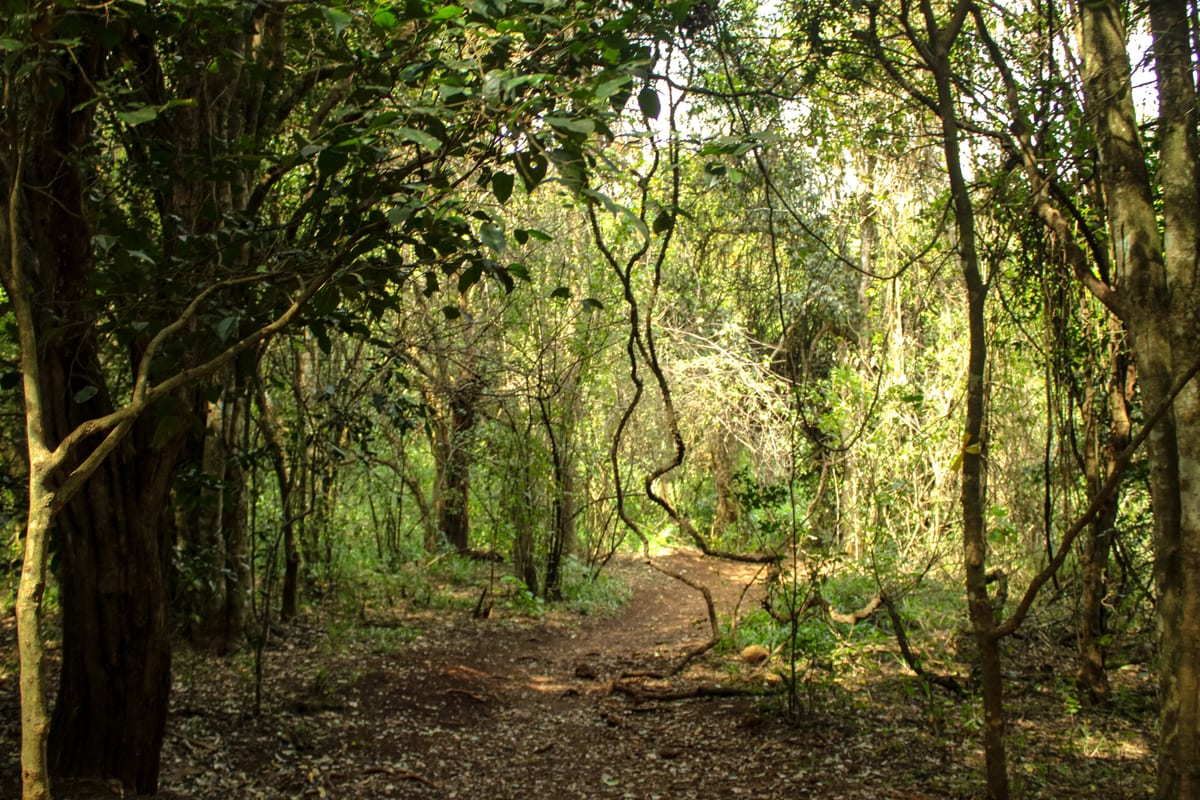
Forest, river-edge and raptor species along the streams and canopy. Early mornings in the dry season are best.
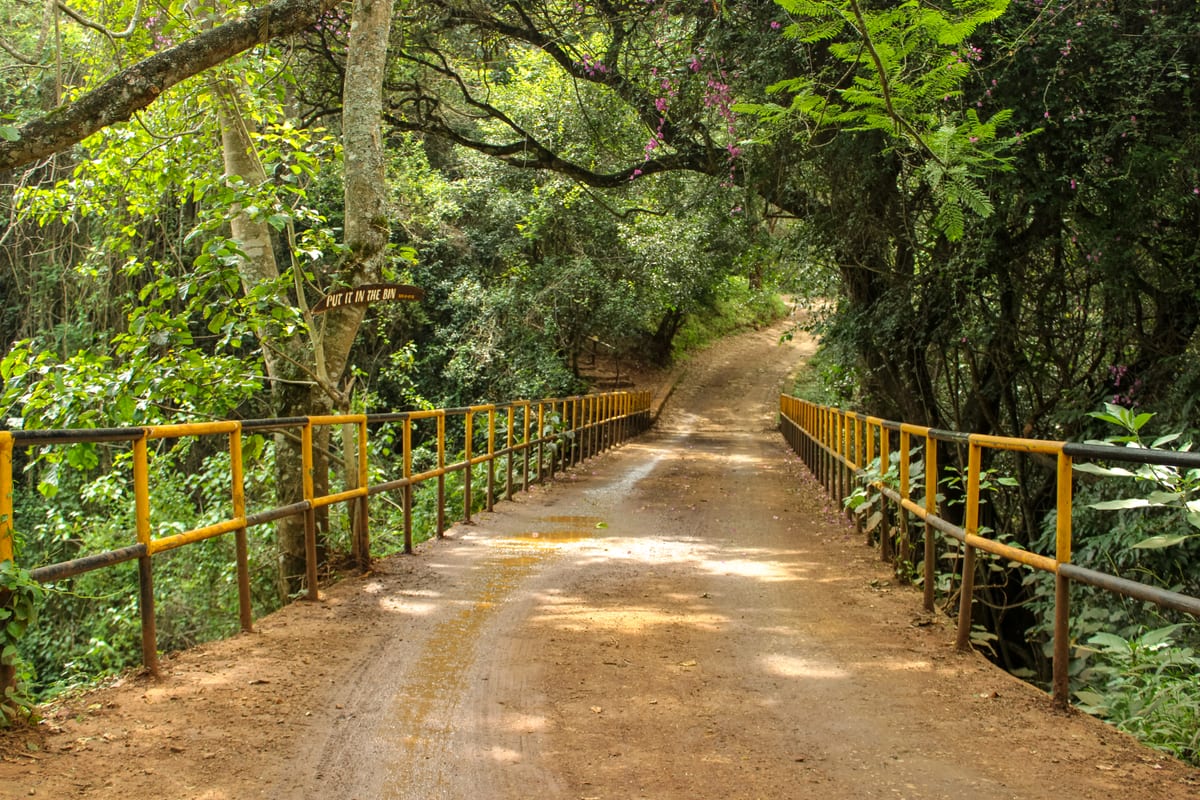
The wider tracks from the entrance are open to cyclists. Bring your own bike and keep to the main track.
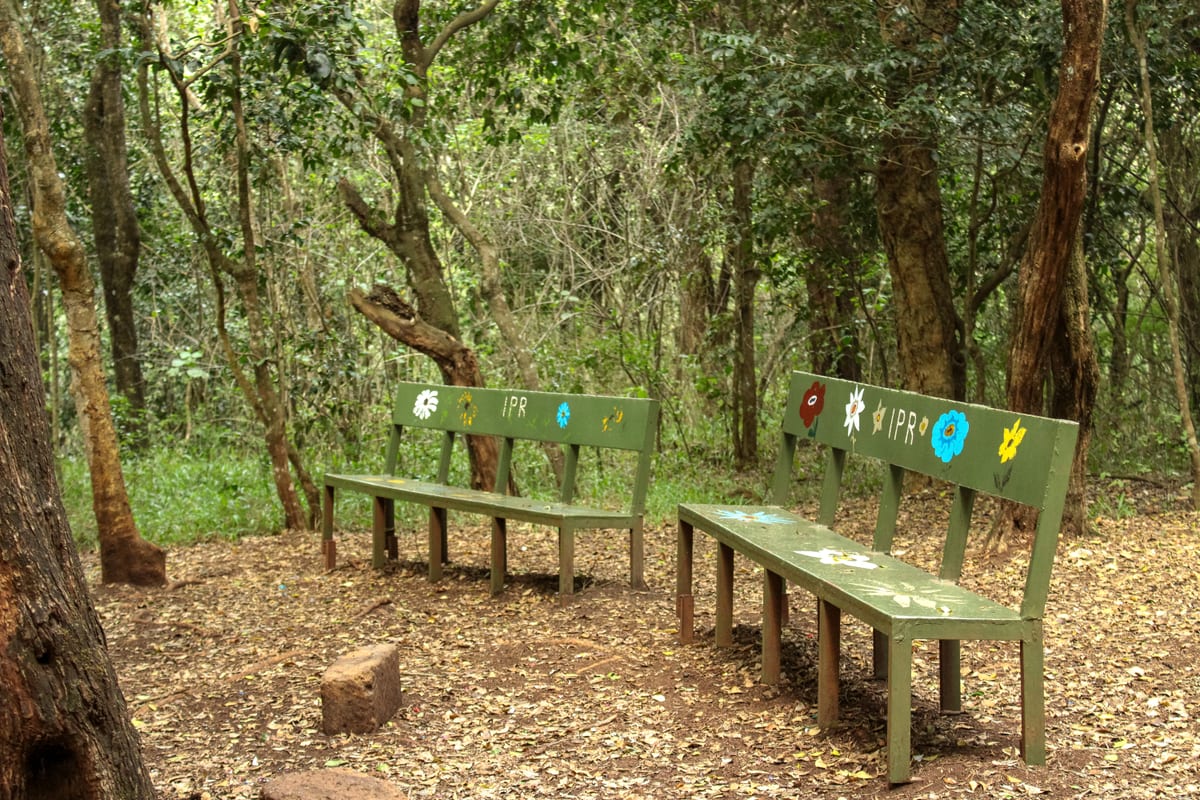
Benches and clearings under the trees at rest points along the trail and at the main picnic site.
Camp at the designated site with its fire circle and wake to the forest dawn chorus. Booked on eCitizen.
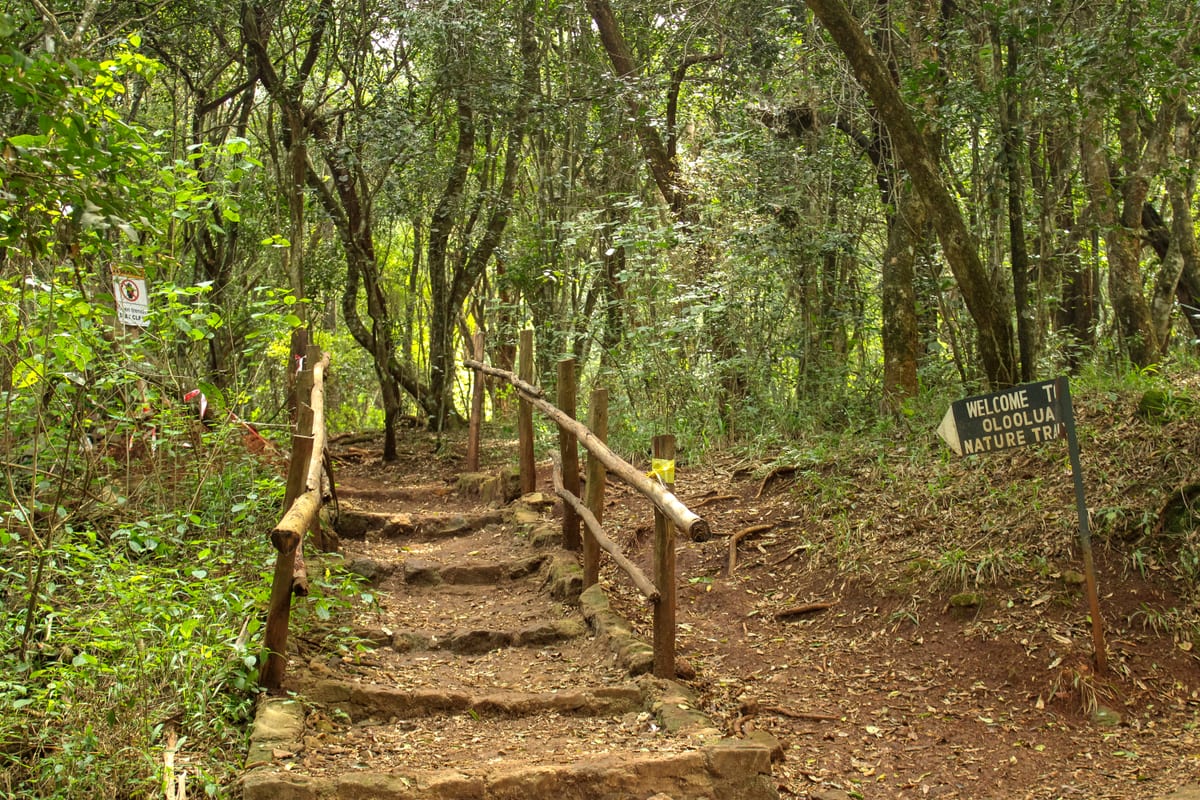
Organised visits for schools and institutions, arranged through KIPRE, with hands-on learning about the forest.
Every visit is booked online.
How to BookMake the most of your Oloolua visit with this essential guide
Open every day including holidays
Overnight camping is by prior booking. Hours are confirmed when your eCitizen application is accepted.
Adult / child, paid on eCitizen
As listed on eCitizen, September 2026. Camping, group and family-pass rates are on the bookings page. Check the portal
Karen, south-west of Nairobi
The trail is inside the Kenya Institute of Primate Research (KIPRE) grounds in Karen, about 20 km from the city centre.
Head for Karen and look for the gate signposted Institute of Primate Research. Report to the gate office with your eCitizen confirmation.
Jun – Oct & Jan – Feb
Best for birding and long walks
Mar – May & Nov – Dec
Lush greenery and the waterfall at its fullest
Occasional news from the trail: notable sightings, new journal posts and conservation work. No fixed schedule, no spam.
Your address is used only for this. Email us any time to be taken off the list.